
DIGITAL ILLUSTRATION GALLERY
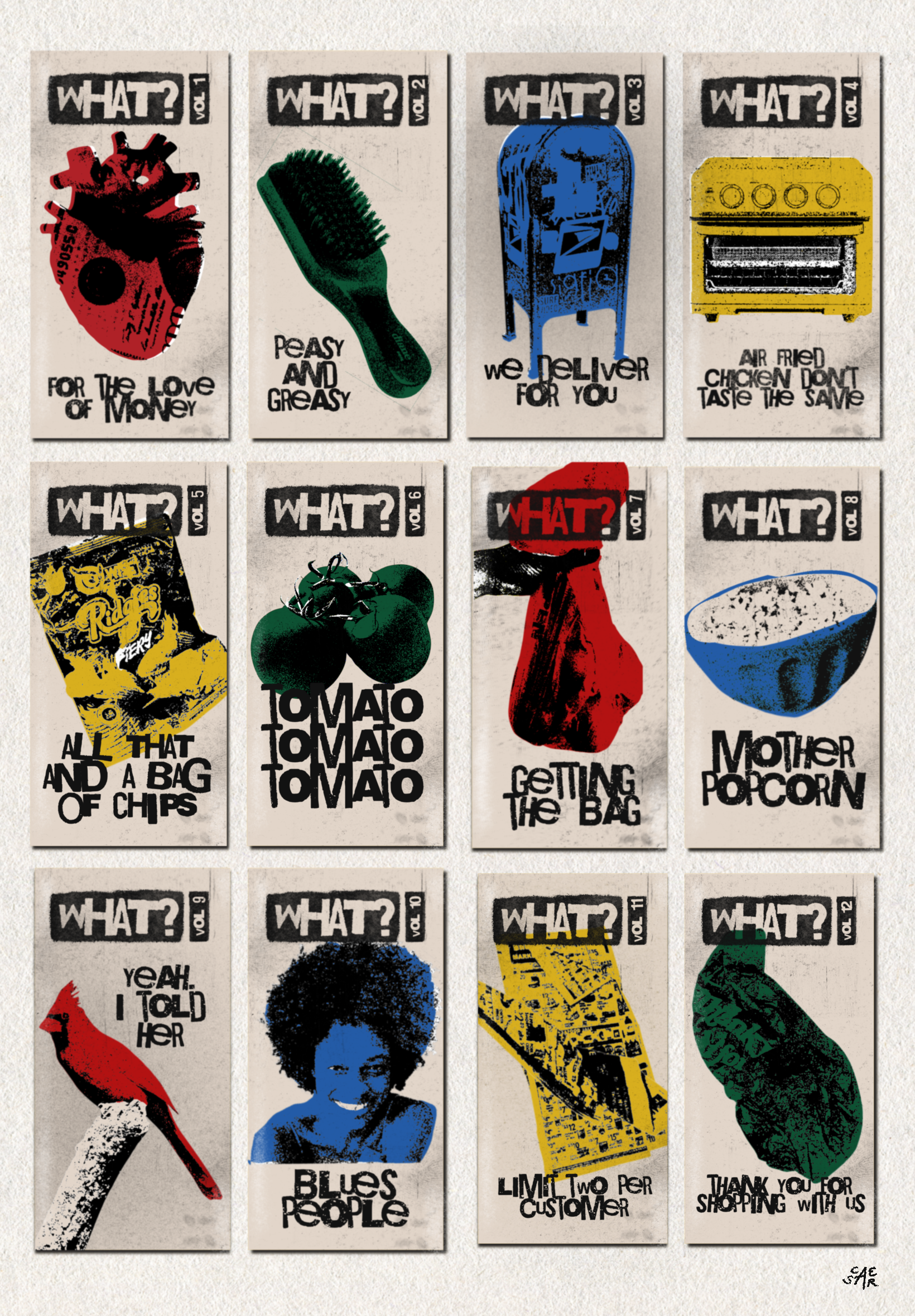
WHAT? Magazine Archive
I’m obsessed with design for serieses, editions, volumes, episodes. When I was a kid, I was an avid reader of The Babysitter’s Club, Christopher Pike books, the Sweet Valley High series and so many more. (Why yes I have unpacked the racial trauma created by an adolescence of casual consumption of racial misrepresentation and erasure. We won’t even talk about the impact of the Harlequinn romance novels my mom had in a closet and that I devoured as a kid.)
Even more impactful for me than the actual contents of these books was scrutinizing the uniformity of their formatting. With minor changes in color palette, they all followed a formula that created a series of objects that thrilled the eye — well at least, my eye.
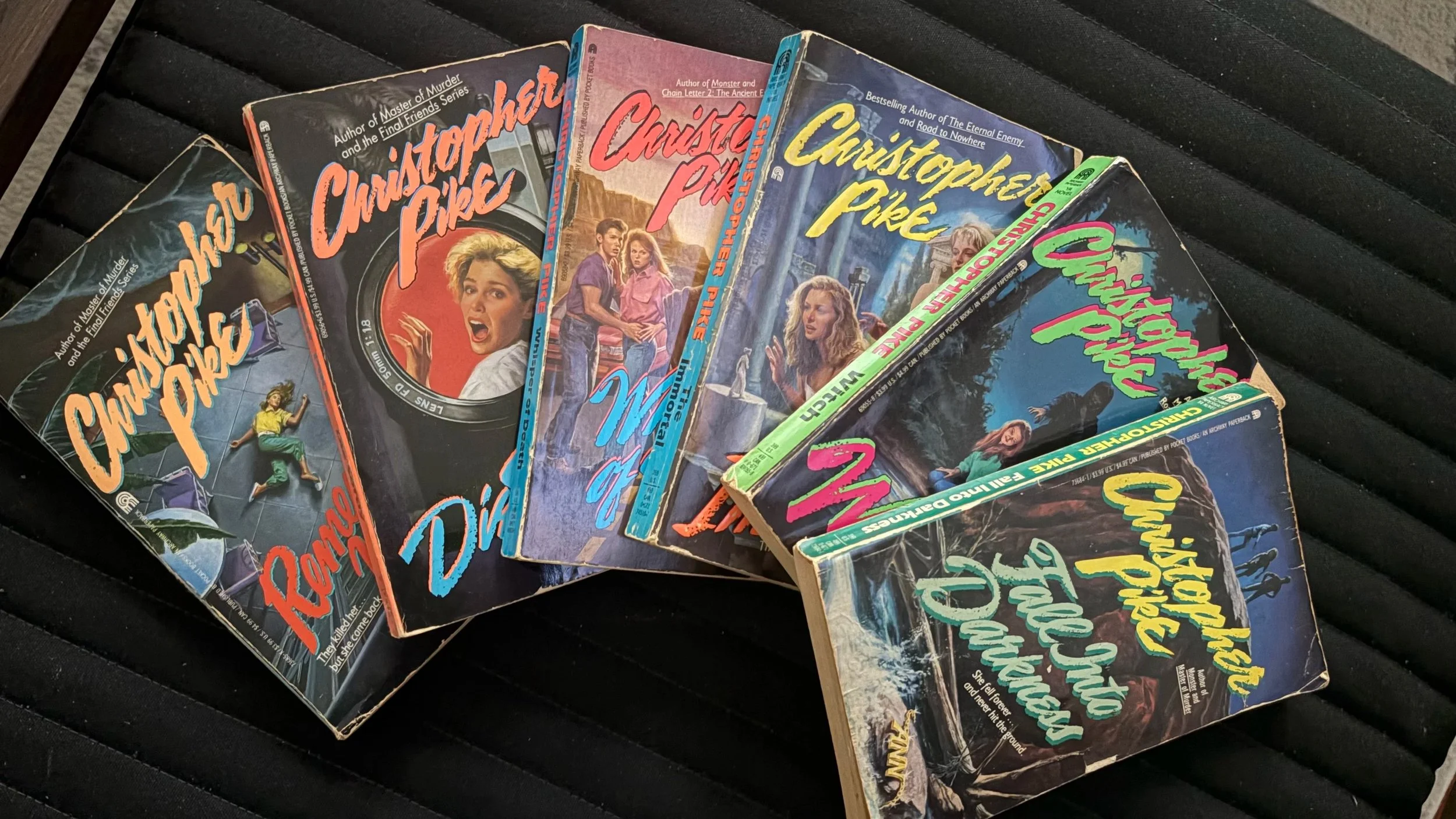
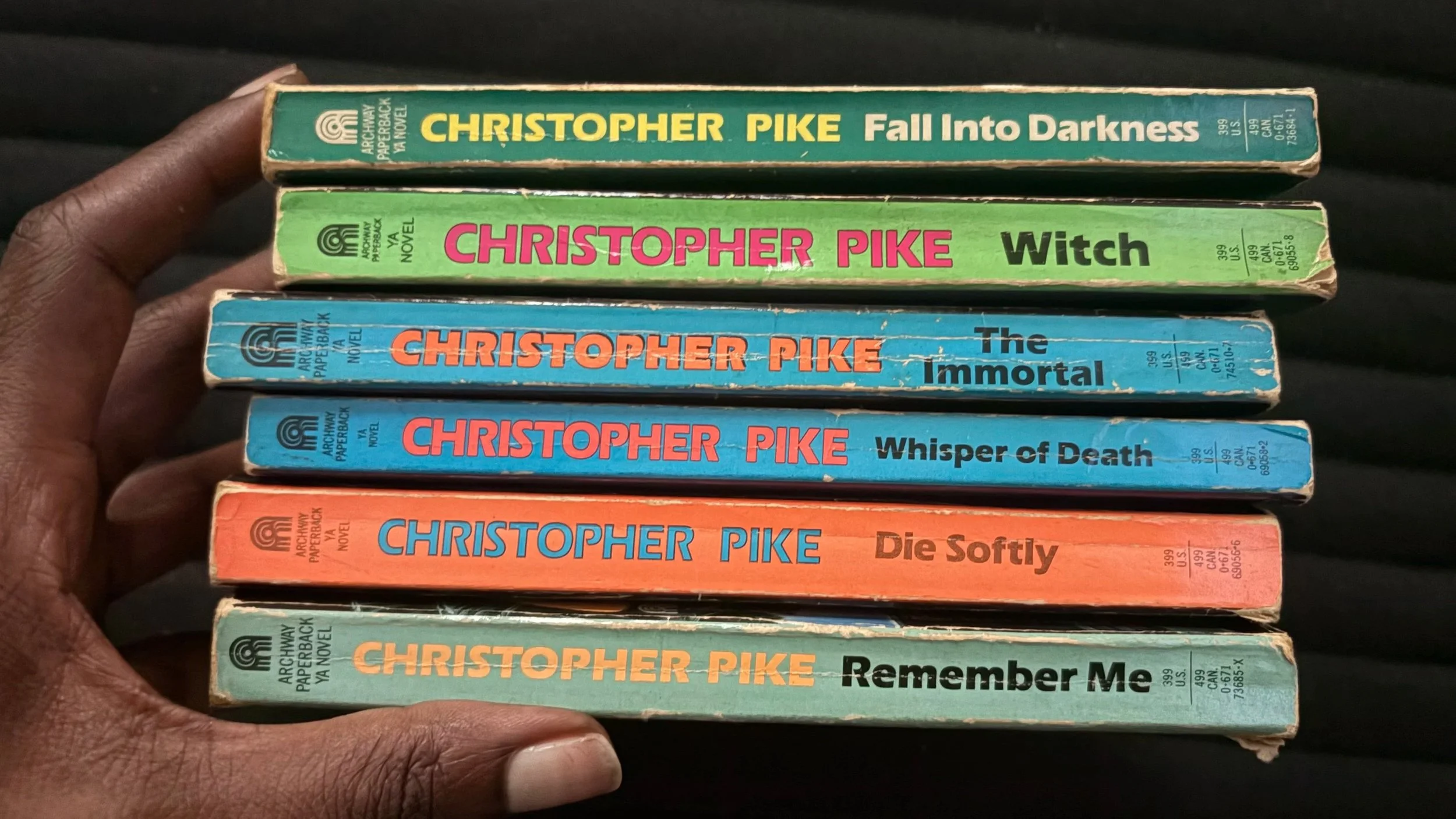
My beloved Christopher Pike collection, acquired as a birthday gift some time in the 90s, from my dad to whom I’d confessed that my dream was to go on a bookstore spree and get anything I wanted. At the time I was obsessed with Christopher Pike books (which would give way to a love for the works of Stephen King) and I went crazy getting them. I’ve kept them to this day, and I really appreciate my dad for making my dream come true.
My love of the pattern created by the repeated spines and covers of book series extended from the electric colors of my beloved Pike books to the minimally designed (and often first edition) book covers of the works of African novelists like Bessie Head and Flora Nwapa in the 60s and 70s. I was struck by publishers like Heinemann’s simple, bold use of the monochrome on their orange/ivory book spines, in tandem with plain, serif typeface, an unflashy testament to the real value of their African Writers Series books — the contents of its text.
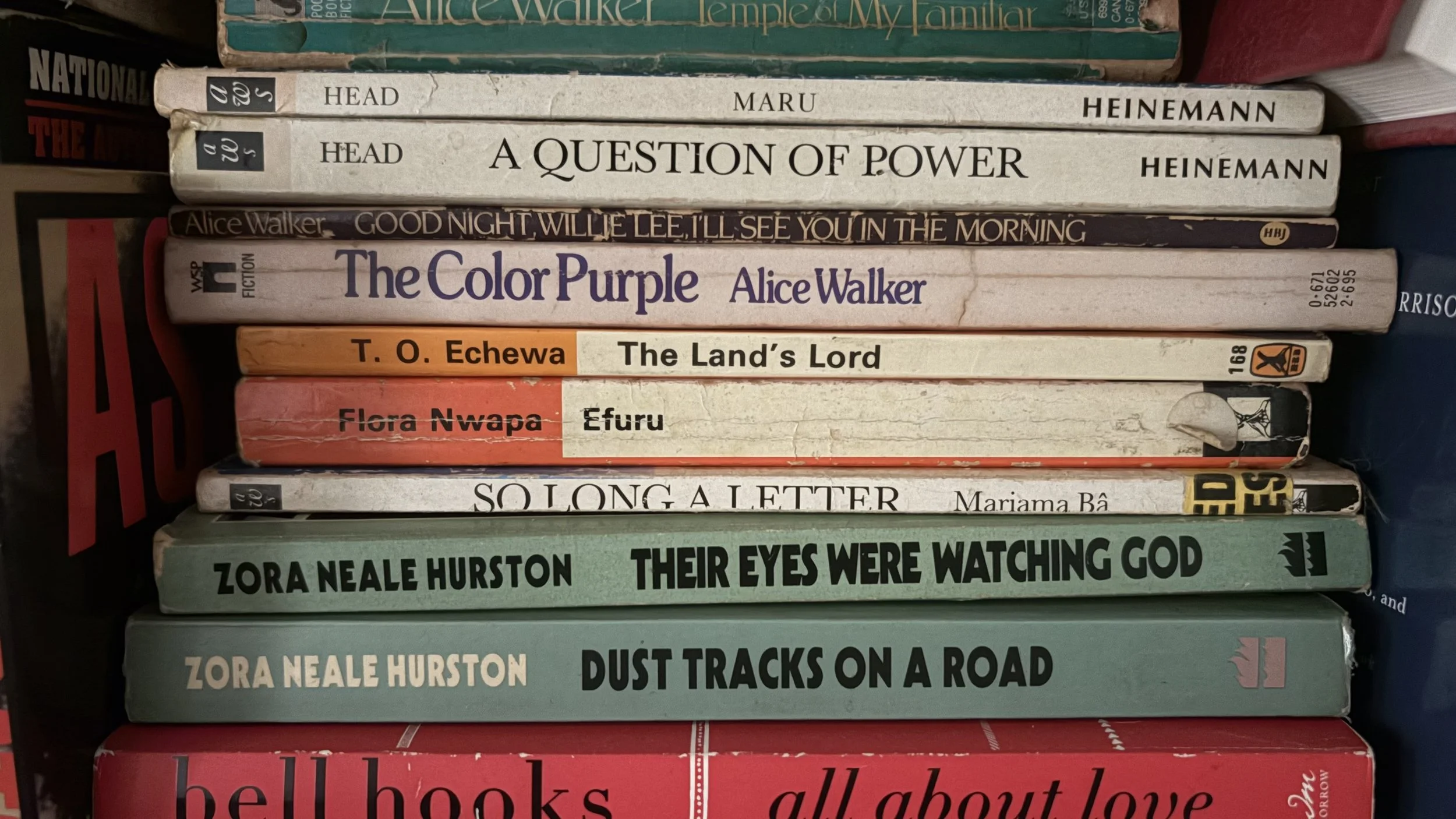
The Heinemann African Writers Series collection also had me in a chokehold, both by design and the literature itself. Flora Nwapa’s Efuru was the first book by a Nigerian woman author to be published internationally.
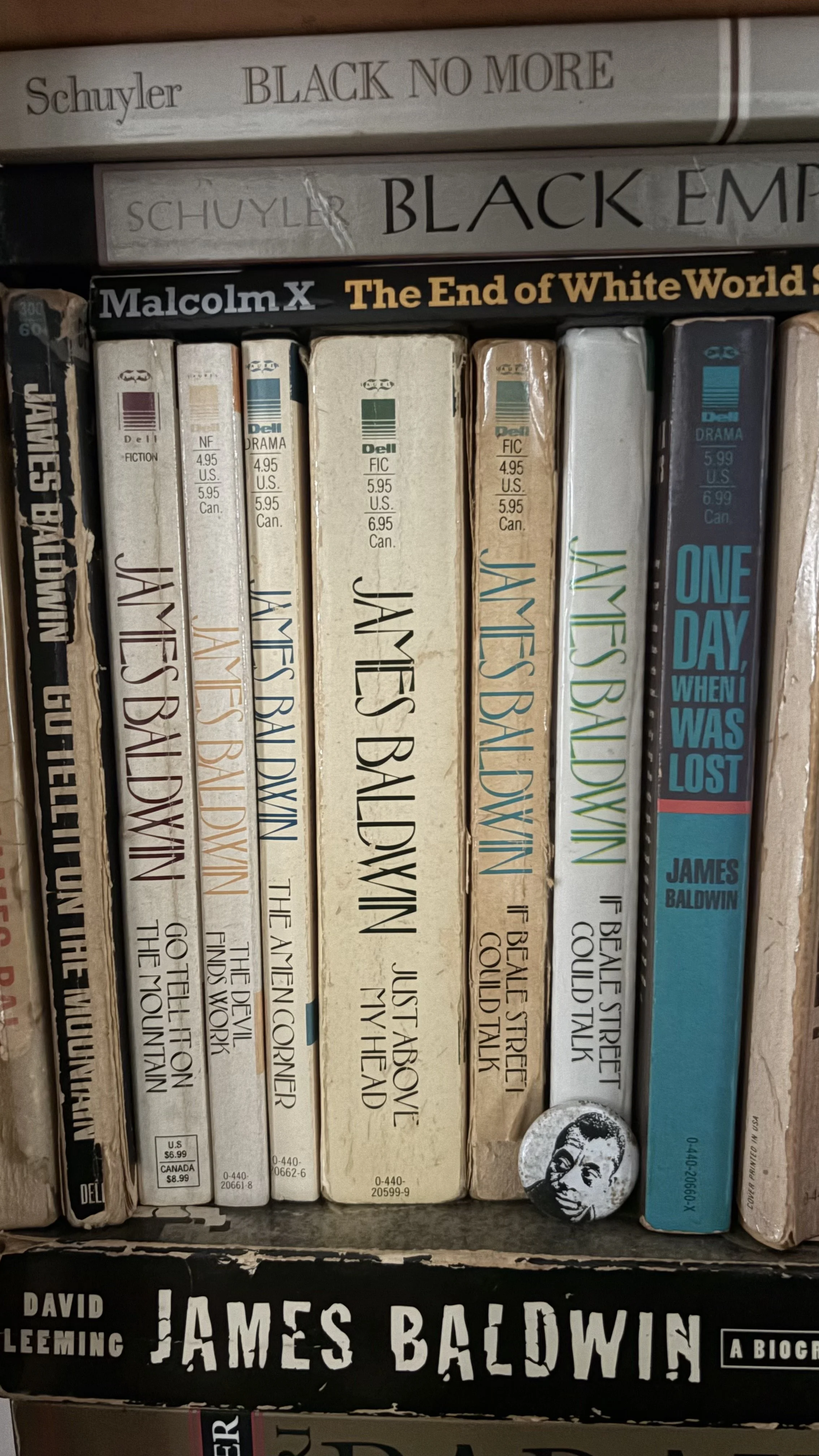
Dell wasn’t slacking on its James Baldwin collection design either. Simple and evocative.
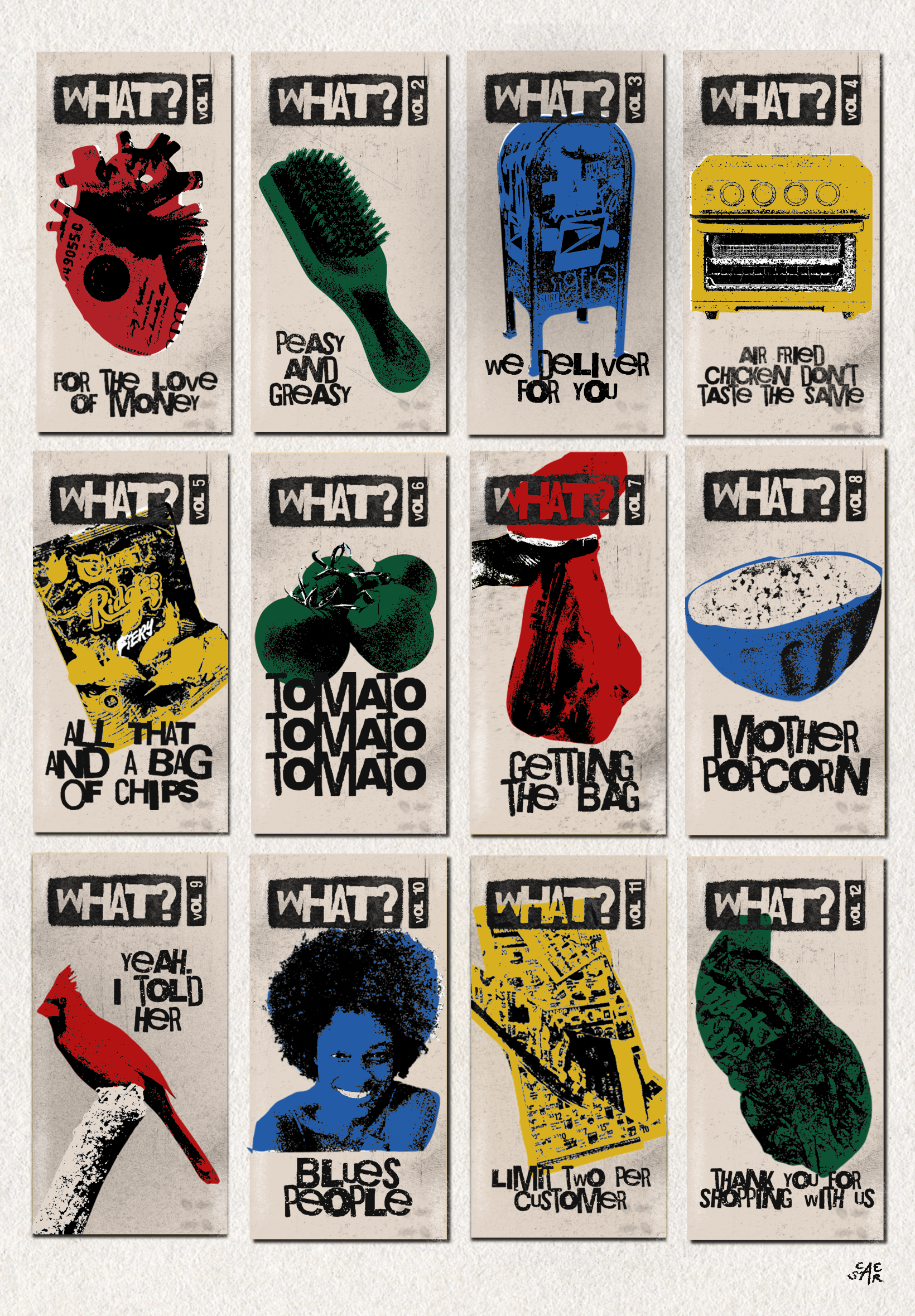
What? Magazine Archive, Valerie Caesar, 2026.
(This is probably the longest I’ve taken to get to my point and introduce the artwork, but I’m trying where I can to give even more context for my thought process.)
Anyway, I got to thinking about the Harlem Renaissance literary journals like (the singular issue of) Fire!! and the newsletter-style publications of activist groups like the Black Panthers in the 1960s and 70s, and how they used simple printmaking techniques to deliver pithy messages of solidarity and empowerment. Artists like Emory Douglas were limited by the constraints of process and made amazing works because of them. (Emory Douglas once said after I presented at a conference in South Africa that he “loved my work.” So now, any time Emory Douglas’ name is mentioned, even by me — especially by me — I have to tell you that tidbit, because I could die of pride.)
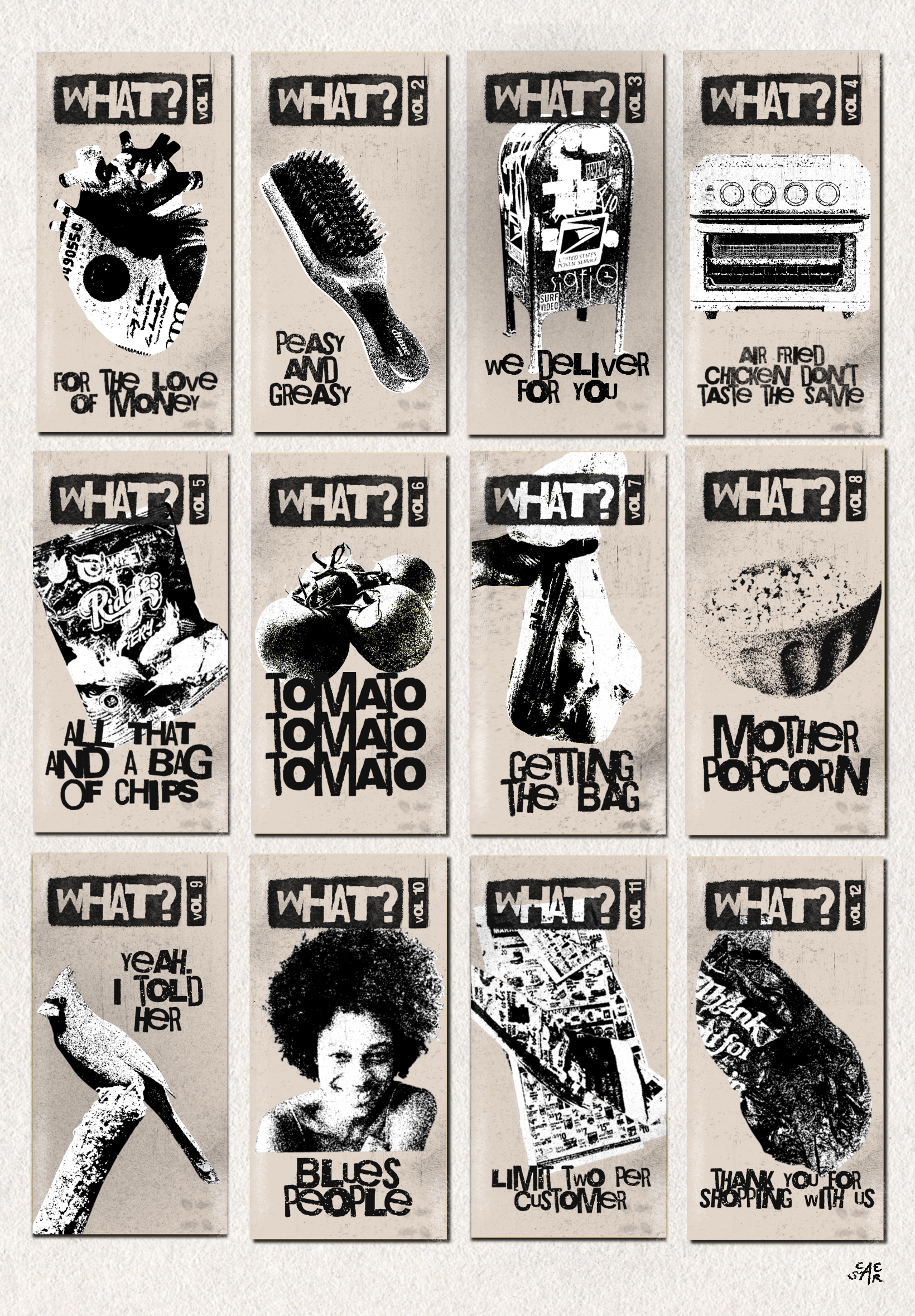
What? Magazine Archive (B&W), Valerie Caesar, 2026.
I thought — what if there was a magazine that was already a few volumes in, and what if their covers all followed a similar aesthetic, like a copy-machine ‘zine or mimeographed activist newsletter, and what if it was so simply and boldly designed that if you were to lay out all the covers, you’d find yourself with an archive worthy of poster-style reprints? Never mind the fact that each issue is just that — a cover. The imagination goes wild thinking about what the contents of such a cover COULD be, and their absurd relationship to each other kinda writes its own story. Is this even a magazine? A collection of novellas or short stories? Maybe they’re posters to begin with. Perhaps they are plays, produced by a scrappy theater company with big ideas and a small budget? Who even cares, and who wants prints? Because as the Jay Electronica line in the song in the A Closer Look video below retorts:
You writing for ghosts?/Bitch, I might be!
A CLOSER LOOK

Watch this short video at the full screen setting to view What? Magazine Archive in closer detail (and hear the music paired with it!).